Author: Ye M Aung, MD
Department of Supportive Oncology
Division of Oncology-Palliative Medicine
Atrium Health Levine Cancer
Clinical Assistant Professor of Medicine
Wake Forest University School of Medicine
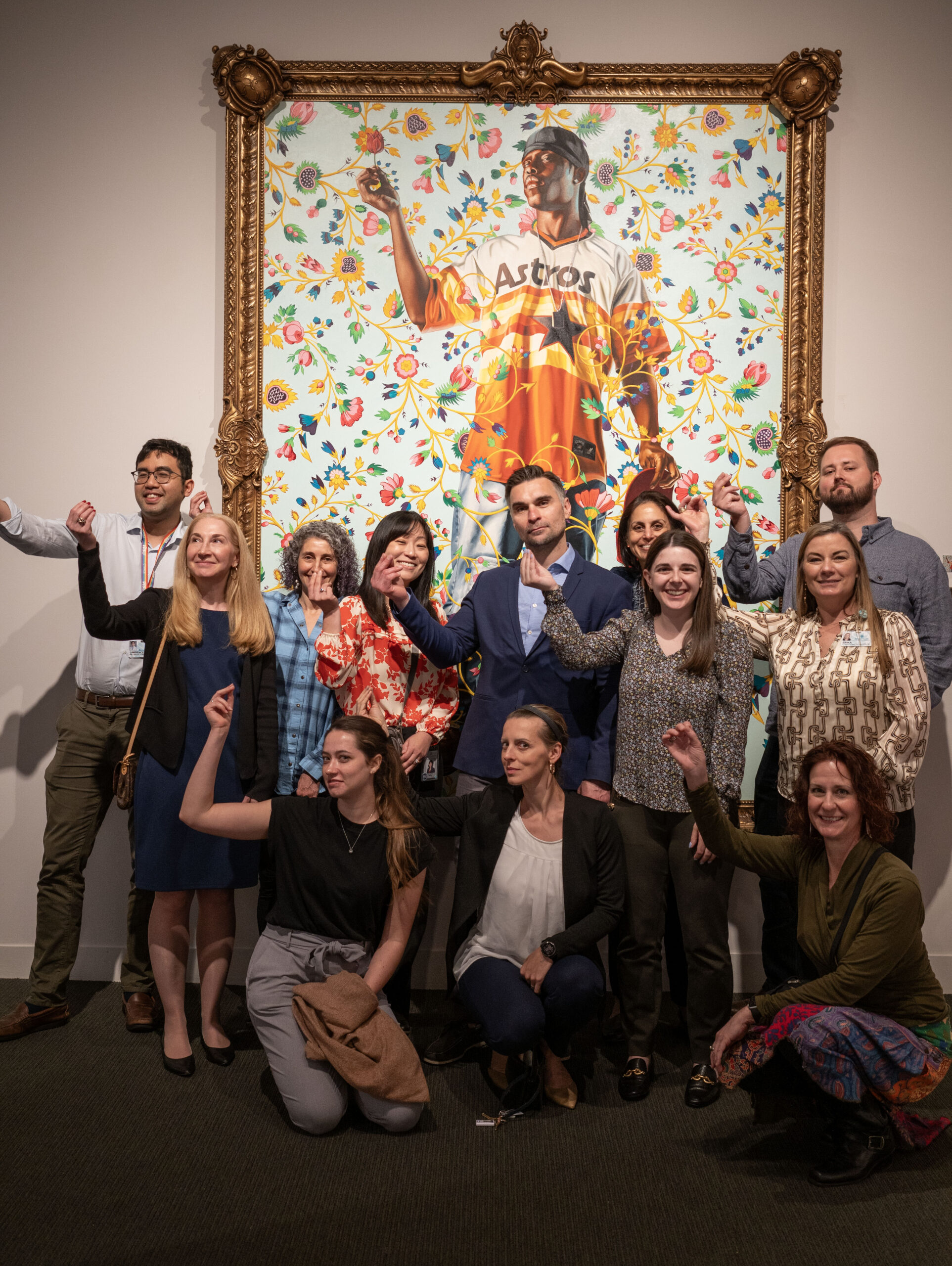
High rates of physician burnout and moral injury represent a growing threat to the sustainability of the medical workforce. Nearly half of U.S. physicians continue to report at least one symptom of burnout since the COVID-19 pandemic. Persistent occupational distress has been associated with reduced wellbeing and professional fulfillment (1).
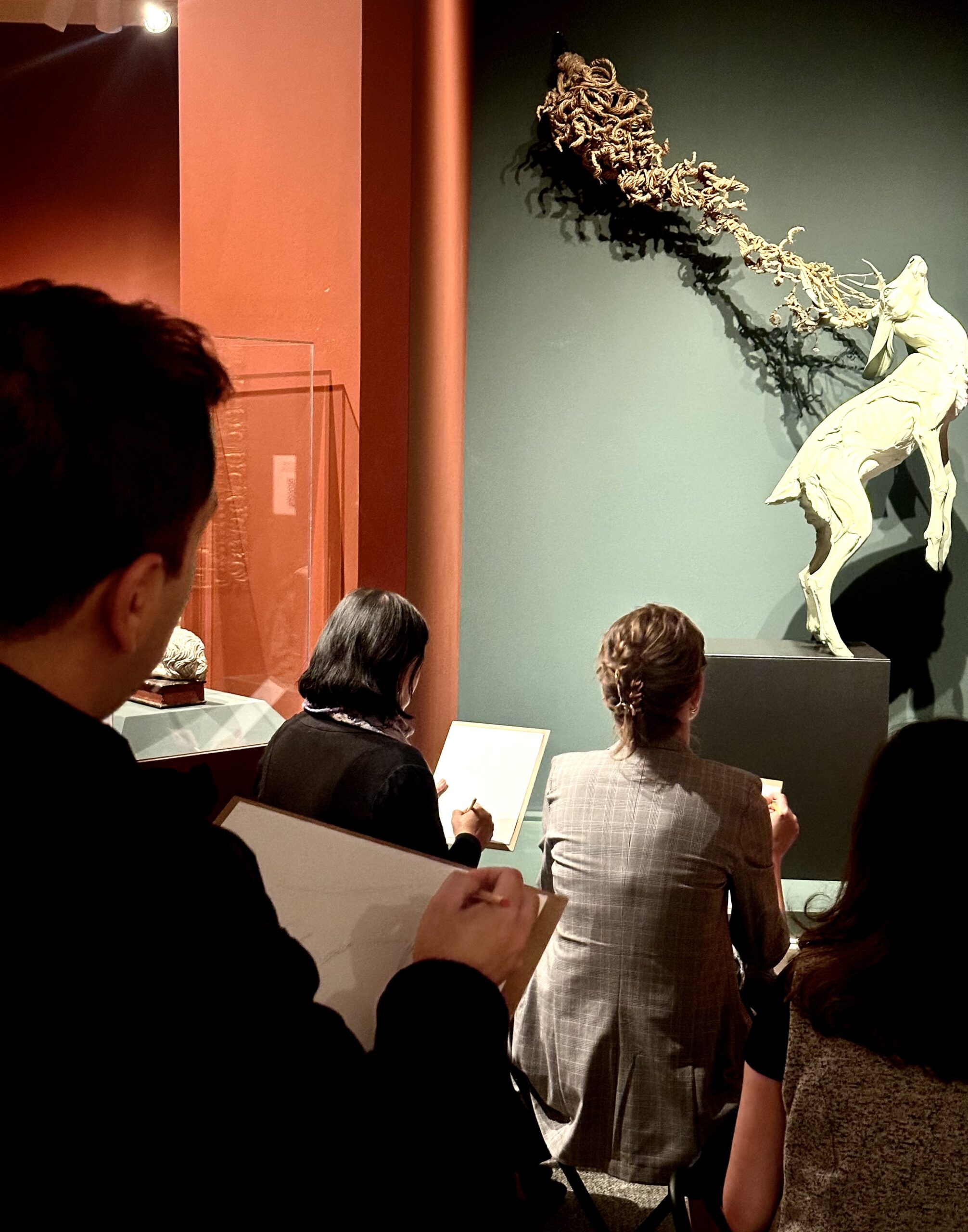
In response to this ongoing crisis, new and innovative approaches are being developed to support physician wellbeing. Through a generous grant from Wake Forest University and the Kern Foundation, we have created an arts-based curriculum designed to foster reflection, resilience, and connection among practicing physicians. A core component of this initiative is Art and Medicine, an art observation workshop conducted at the Mint Museum, a major art museum in Charlotte, North Carolina.
In collaboration with the museum’s docents and educational staff, we have developed a guided experience centered on slow, purposeful observation of a small number of artworks. To lower any barriers to entry, we emphasize that no knowledge of art or art history is required. By encouraging careful looking and open discussion, participants practice skills that parallel clinical observation, perspective taking, and tolerance of ambiguity.
One featured activity uses the improvisational “yes, and” framework. Participants are invited to share a single observation about a work of art; subsequent participants build upon that observation contributing to new perspectives.
Through this process, individual viewpoints are integrated into a shared understanding, highlighting how meaning emerges through collective interpretation and mutual understanding. These skills are essential to clinical practice and teamwork.
Reflection and mindfulness are also integral to each session. Art and Medicine begins with a brief guided meditation, creating space for participants to become aware not only of the artwork, but also of their own emotional responses shaped by recent challenging or emotionally intense patient encounters. This structured pause allows physicians to reconnect with their internal experiences in a supportive, non-judgmental environment.
Overall, the program has been highly successful, with participating physicians reporting strong satisfaction and a desire to continue engaging with the arts as a means of supporting their personal and professional wellbeing. Our goal is to expand the availability of Art and Medicine workshops across the hospital system, recognizing the meaningful role that the arts can play in promoting resilience, empathy, and understanding.
Although arts-based programs alone cannot resolve the complex causes of physician burnout, initiatives such as Art and Medicine offer an important complementary approach. Creating protected spaces for reflection and shared experiences is vital if physicians are to continue working in our current healthcare system.
References
- Shanafelt T, West C, Sinsky C, Changes in Burnout and Satisfaction With Work–Life Integration in Physicians and the General US Working Population Between 2011 and 2023, Mayo Clinic Proceedings, 2025; 100, 1142-1158
Declaration of Interests
The author has no competing financial interests to disclose.