Author: Professor Ollie Minton, Palliative Medicine Consultant, Brighton, UK
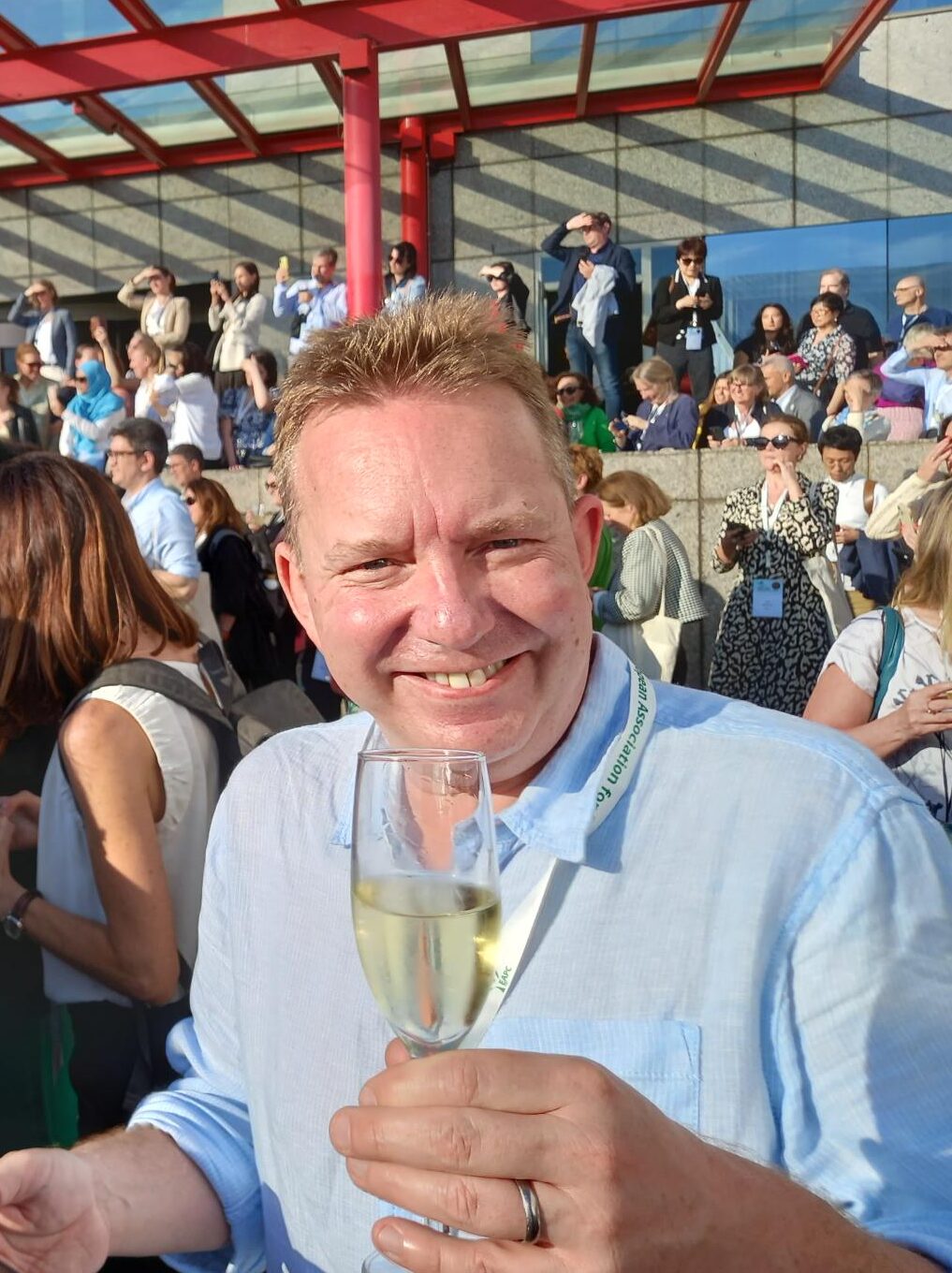
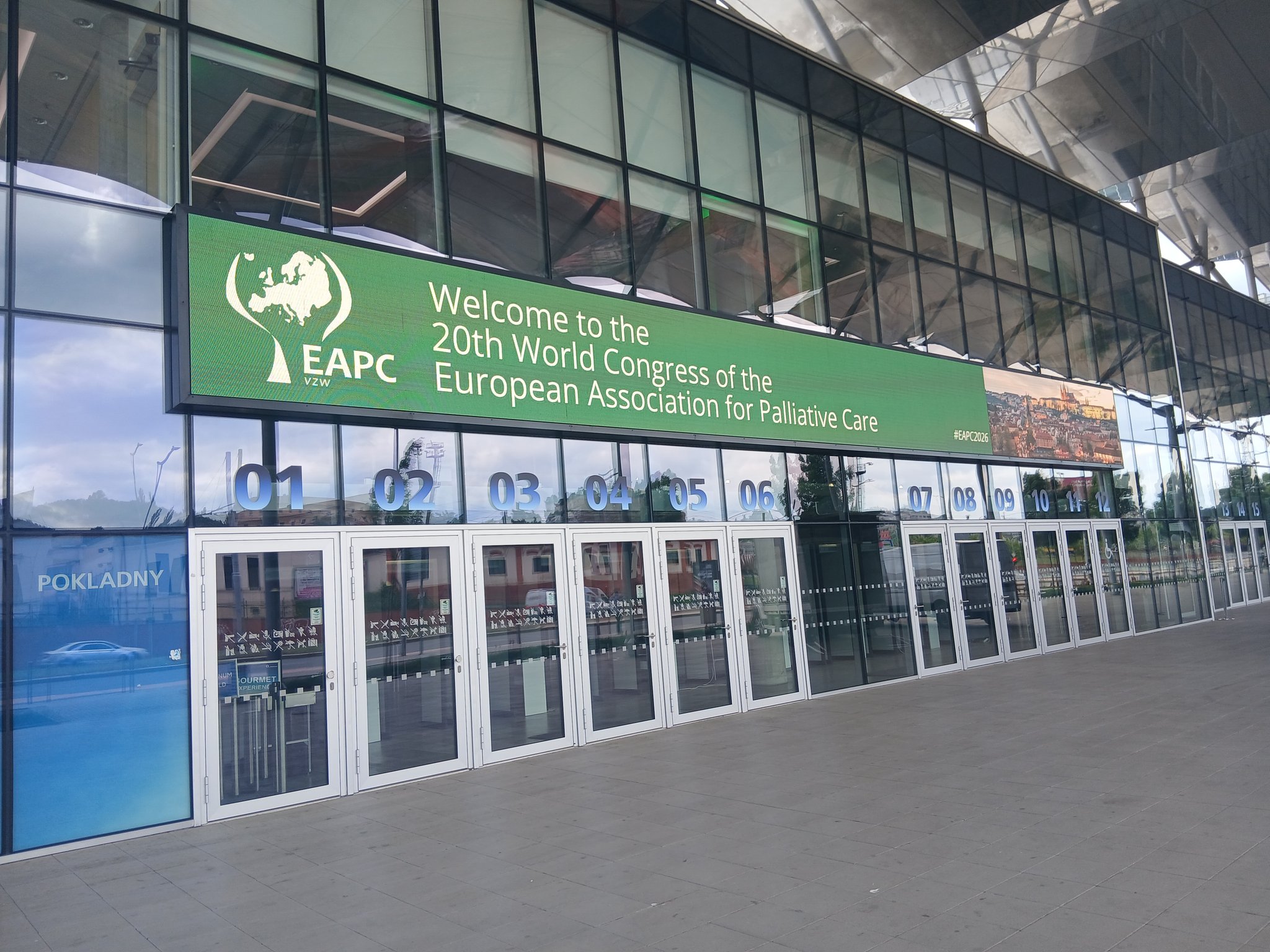
Professor Minton finds himself in Prague, where the 20th World Congress of the European Association for Palliative Care took place between 14-16th May 2026.
Warning: Readers may wish to note a reading time of circa 10 minutes, time they will not get back. There are no CPD points, no flashing images, and no Eurovision songs were sung during the writing of this piece.
Introduction:
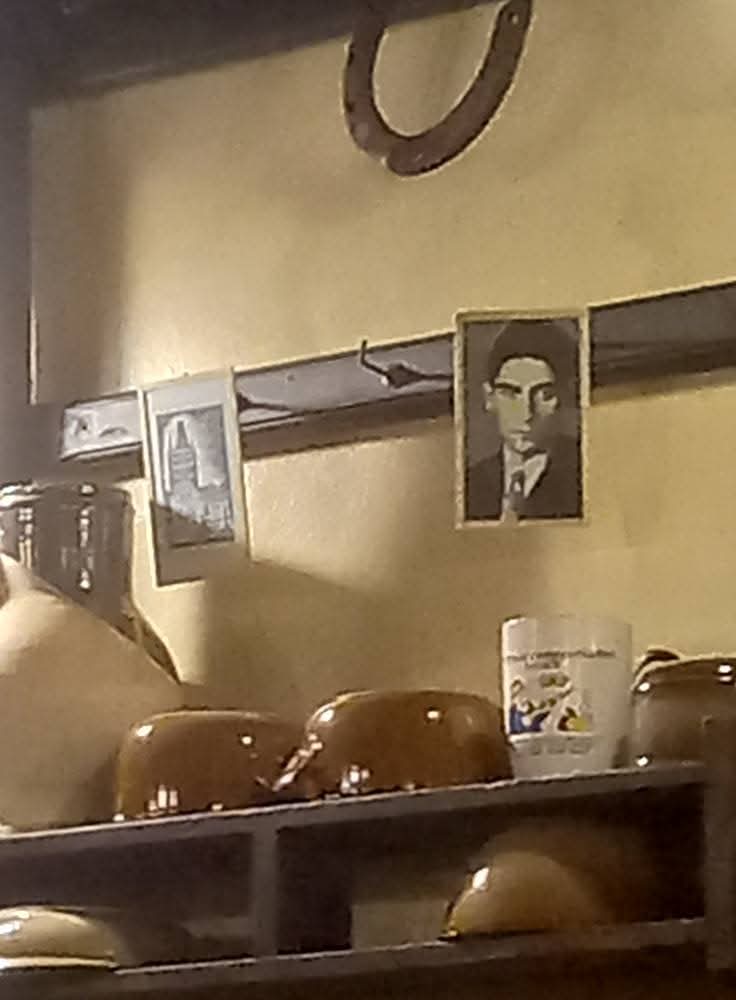
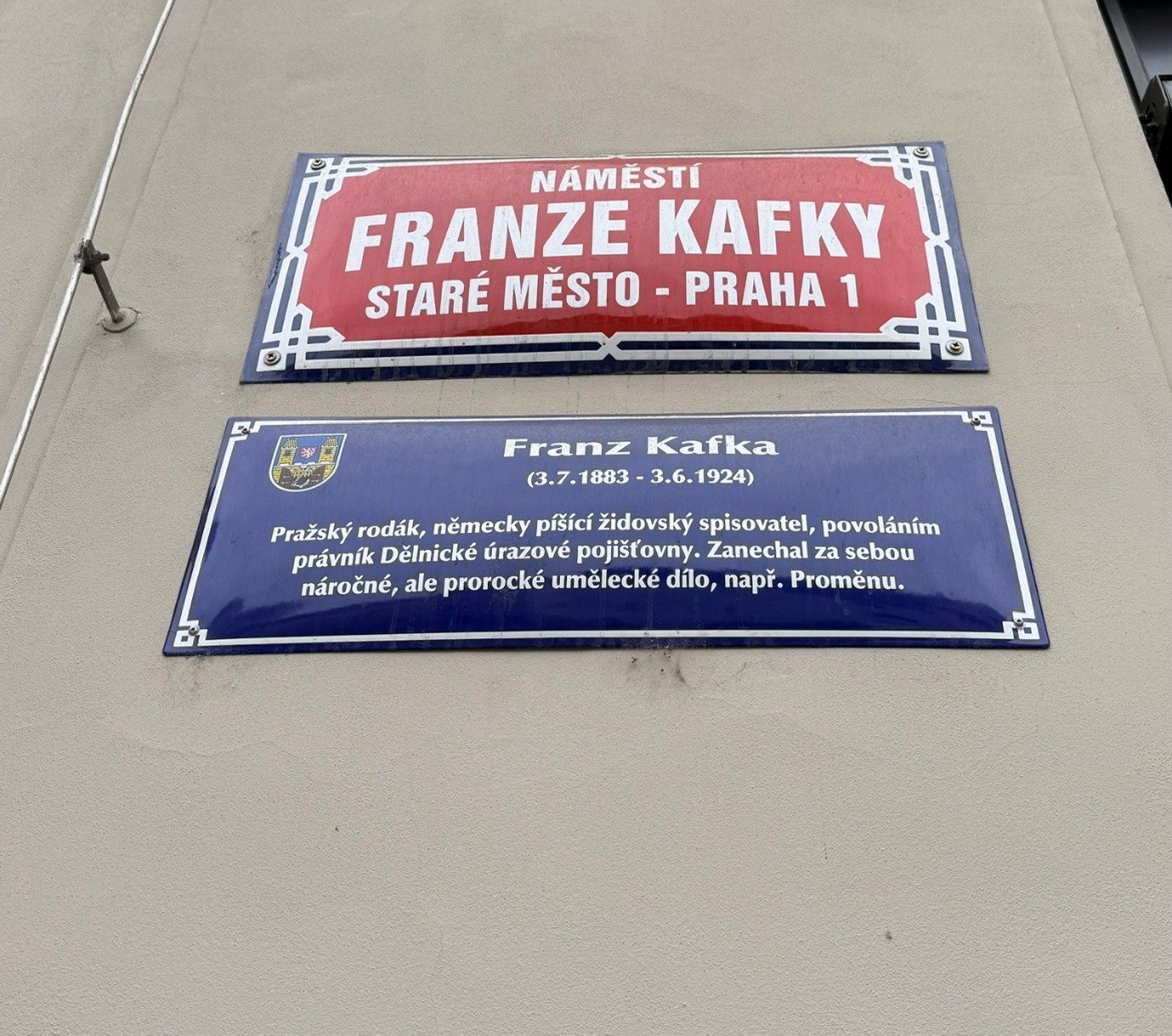
Apparently Franz Kafka (he of The Trial & Metamorphosis fame, and a local resident with his own square) didn’t like writing all that much, but his novellas have given us ‘Kafaesque’ as part of our vocabulary. It is the surreal interpretation of life and making sense of seemingly impossible rules and individual powerlessness. Sound familiar? Welcome to the year 2026. Not all that far away in Vienna, the Eurovision song contest was being hosted, where Czechia’s Daniel Žižka‘s performance ‘Crossroads’ was beset by technical hitches, falling cameramen and strobe lights going awry. No such hitches here in Prague, but, perhaps similarly, we had also come to a type of crossroads; where from now we will stick to WORLD congresses going forward, rather than the alternating biennial research vs less-research offerings of the past. We are GLOBAL now, and on a yearly basis. So welcome to the annual World CONGRESS of palliative care, here in beautiful Prague. What has changed since the last time I was here (for the 13th World Congress)? Well, yet again I didn’t make it up to the castle, so I cannot report on that aspect.
Atlas shrugged
The messaging back then when I was here last (the 13th world congress) was that palliative care is definitely the right way forward, and the Palliative Care Atlas was a glint in the milkman’s eye, something to help us pinpoint best practice across Europe and beyond. A vision of a palliative Eurovision, where no one gets ‘Nul Points’!
The Prague congress collaboration of 2026 did not disappoint, and the milkman had delivered. And long may it continue getting 1000s of people into one city and one venue to promote all the aspects of palliative and supportive care.
As the plenary sessions and history is clear, the job is never done – we are still (and always will be) doing the danse macabre to many different tunes, still struggling to identify when and how is the right time to integrate our services, using the Supportive and Palliative Care Tool | – including into bereavement – all key areas of discussion. Given we are all mortal and now increasingly like to die from multi- morbidities, multiple charters should by now have influenced government to act, but as the legal team presentation here showed, impact is not implementation. There are always multiple routes to take – even through the open parliament gardens – obeying my golden rule that you can freely walk anywhere as an Englishman, except if there is an armed guard covering the entrance – no spontaneous advocacy without an appointment, sadly.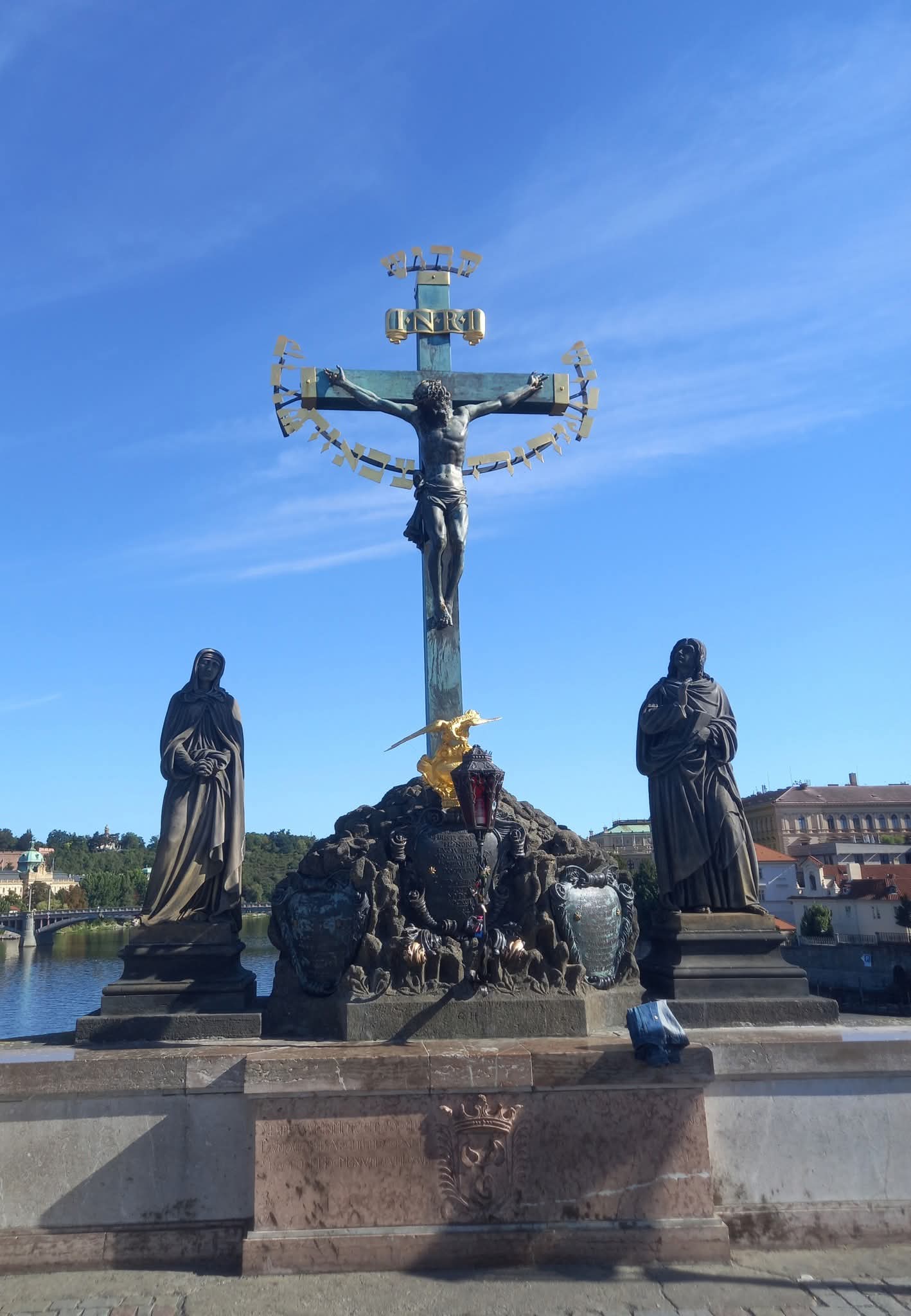
So if the law won’t save us (nor multiple reports and charters, nor an atlas) how about the power of science, Franz?…
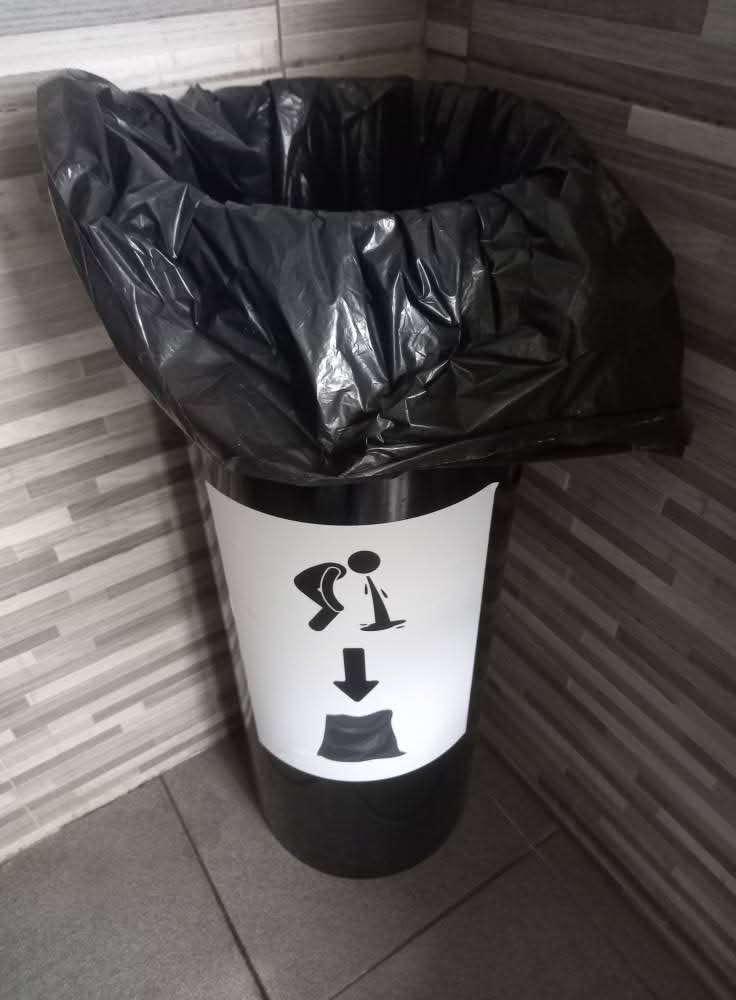
Bangaranga:
Meanwhile in nearby Vienna, nearby Bulgaria won the 2026 Eurovision Song Contest with a banger by Dara called ‘Bangaranga’! What is Bangaranga, you might ask? Well, dear reader, I looked it up for you on a secure, non-NHS browser, so you can now add it to your Continuing Professional Development folder, safely.

Bangaranga is an old Jamaican word, which used to mean “rubbish” but more recently means a loud noise or argument.
Well…..! WELL! [brief, weighty silence]
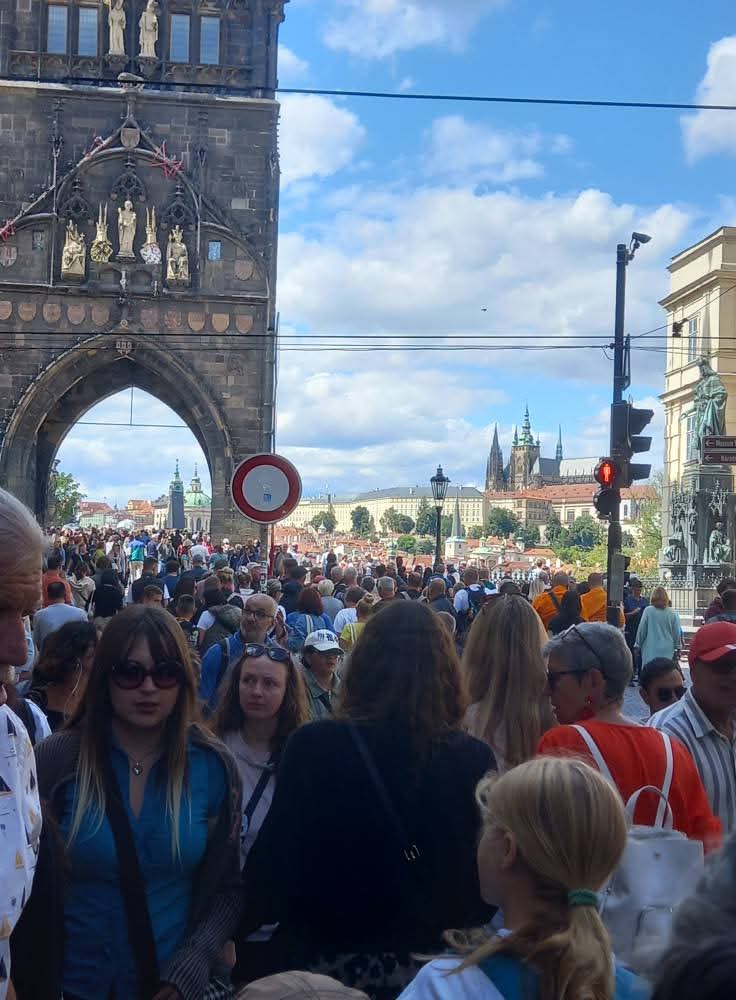
I can recall a few of these in certain quarters of palliative care, but on a wider topic that has been very dominant recently, there’s been some extremely loud noises being emitted from the Westminster Parliament in London, Scotland’s Holyrood government and France’s Assemblée Nationale. So it was refreshing to catch up with colleagues on the important topics in palliative care, but not let Assisted Dying dominate them all too much. It was important to focus on palliative care itself for a few days, and not let assisted suicide, euthanasia, or whatever trendy PR-friendly name it has these days, dominate as it so often does. Noticeably less abstracts this time on the topic, compared to Helsinki. Good. And it is refreshing to note that the EAPC have taken a stance on this, which you can read here (essentially, let’s stick to our bread and butter which is palliative care):
Key messages from congress
Well there were two take home messages for me – good science as always is a team sport and takes much more time effort and money than you think, with a significant delay before any results are ever seen. You need to keep iterating the questions and building on results. I saw nothing to suggest that Artificial Intelligence in whatever form we adopt, will provide those answers any time soon. Humanity is still paramount at the end of someone’s life, and robot hands will need to be pretty sophisticated before they hold mine-own when I breath my last!
The nudges suggested by Scott Murray Palliative care from diagnosis to death | The BMJ and many trajectories and scientific forecasting methods may help. Ultimately dying is the most human thing we do and we are the family that provides it in all its complexity – a key conference message. The take home connected message from the final plenary was ‘Grief is connected to love because it is rooted in losing what is meaningful and dear to us’. All patients and families are grieving from the point of a palliative diagnosis onward. Why I hold onto the tagline equitable palliative care for all #EAPC2026 wherever you get your social updates now in the updated Kafkaesque rulebook of wider dissemination.
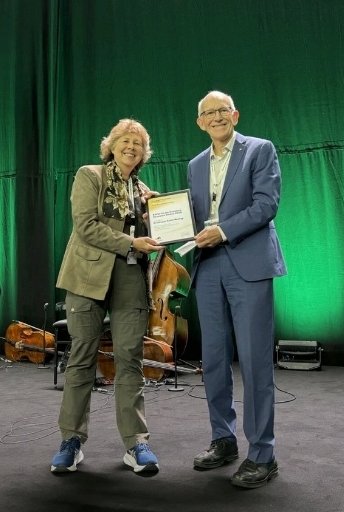
You would however by now expect big data to provide the magic predictive algorithms: prognostic science has moved on with my esteemed colleague Dr Nicola White winning the clinical impact award talking about more care less pathway ( a 2013 report following the implementation of the Liverpool care pathway in the UK) – the dance macabre again Franz. We are still striving for well coordinated and supportive care from diagnosis to death and in designing any systems those with lived experience need to be intricately involved. We also rightly need to support the entire multi-disciplinary team and embed research into all of it including people with the relevant lived experiences and make sure that whatever we find we disseminate into the wider world and I was pleased to see designers and artists take to the stage to do just that.
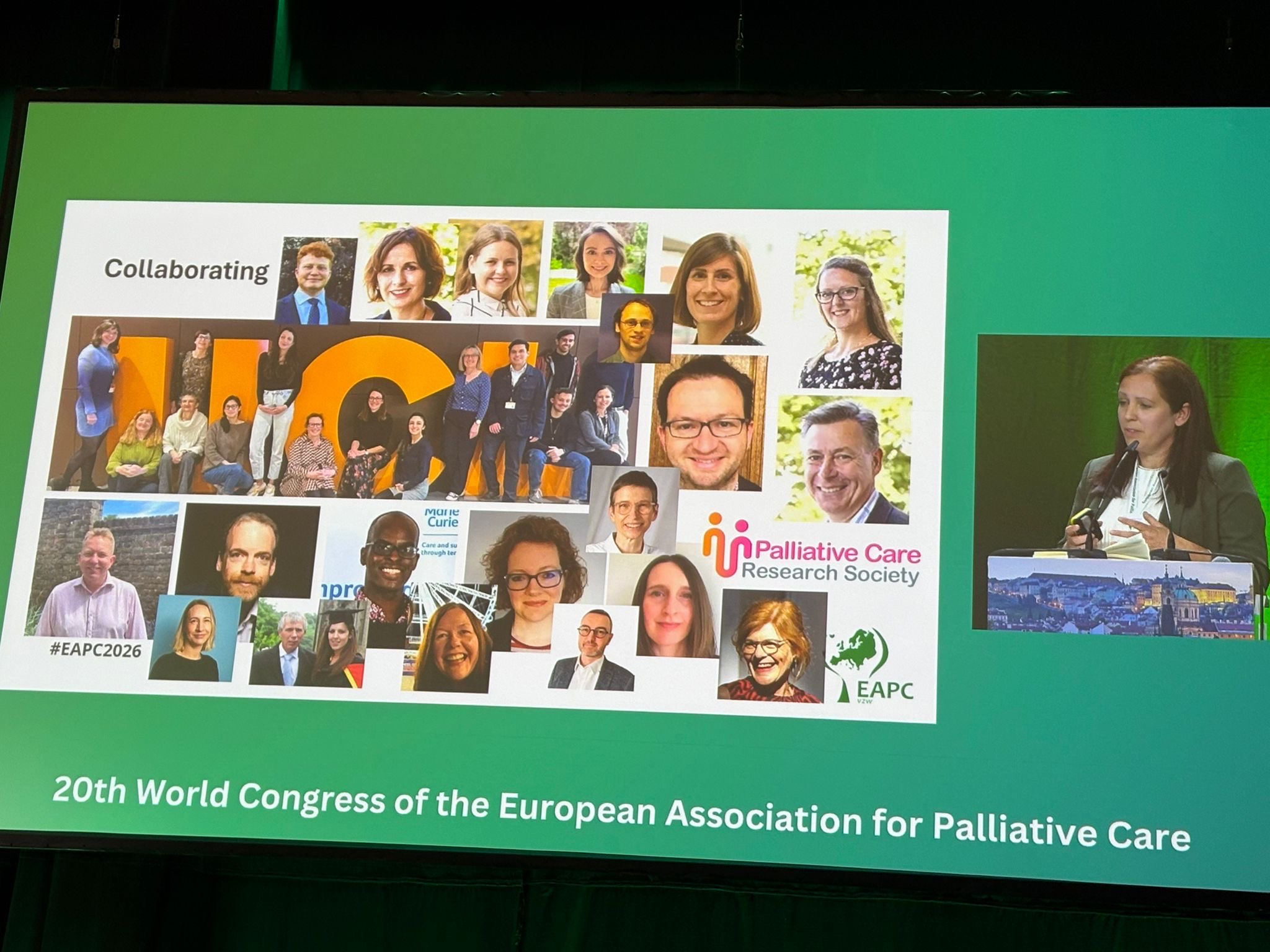
Bodystorming, innit?
There was of course some new terminology as befits any conference – body storming Bodystorming: Hands-On User Research for Deep Insights , 4D pictures 4D picture – Producing Improved Cancer Outcomes Through User-centred Research and metro mapping Metro Mapping Foundation – Metro Mapping– think more London Underground with multiple bus diversions roadworks and strikes, than the 3 lines of the Prague system working seamlessly. I shall attempt to explain the implementation models using performative dance (macabre) once back in the real world, but don’t hold your breath.
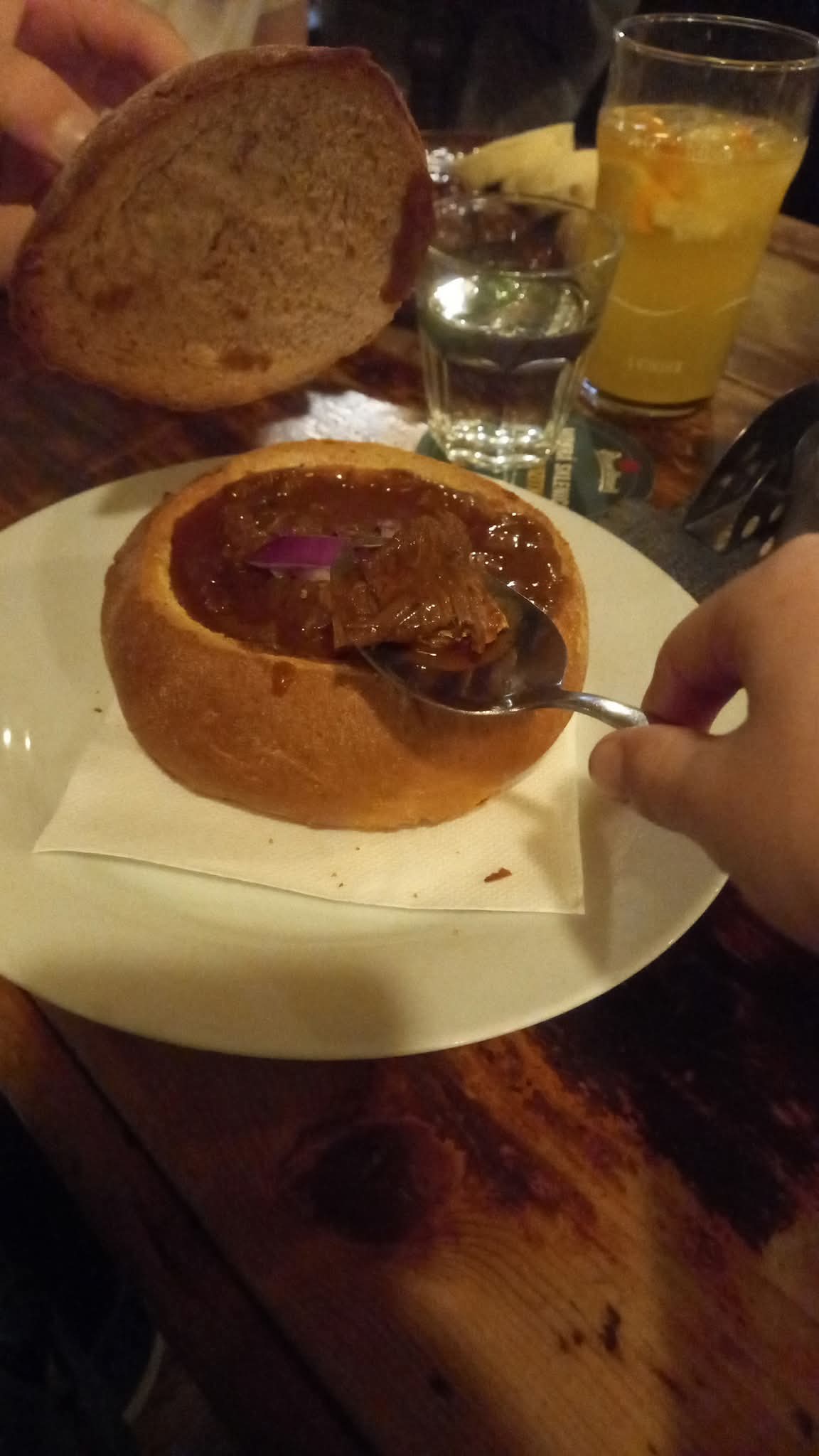
In terms of other types of bodystorming, goulash served in bread is something that can storm my body on most days, thank you very much. I’m not sure Glasgow in 2027 will be able to deliver on the same culinary level, but a deep-fried chocolate bar may well be on the cards. As for Lyon in 2028: I cannot wait for my Saucisson de Lyon!
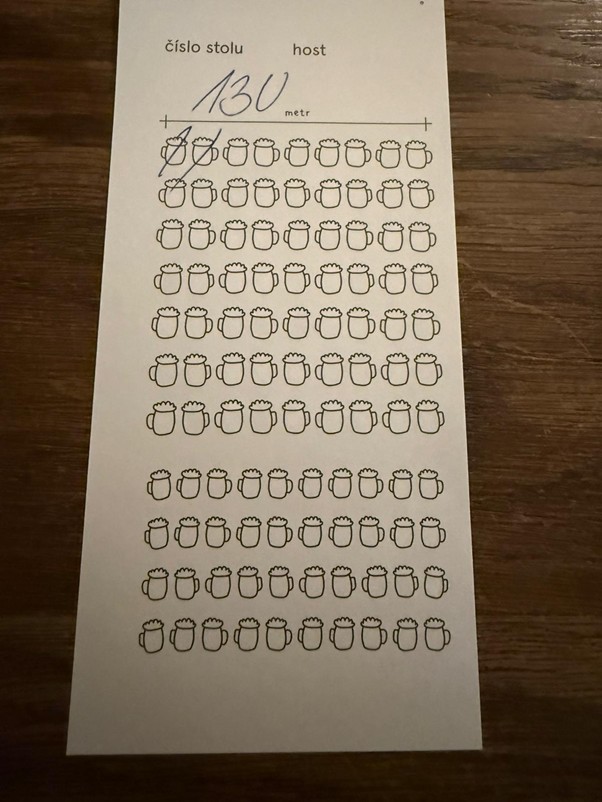
As always some acknowledgement of the social aspects of these conferences – It may be that in this non-stop world we are overthinking everything, but sadly ticking off beer orders isn’t quite the same as doing what we do and there is no reward (or extra slice) for getting to 99 other than having to find a new sheet to write the next (AI) generated report on Franz.
I do however like the new tradition of providing a travelcard with the ticket and -even better a transport system based on trust- but like Franz we all still need to understand some of the very many impenetrable rules we have to abide by to promote more of what we do to ensure we are all able to offer palliative care into the rapidly expanding demands based on the modelling we all saw.
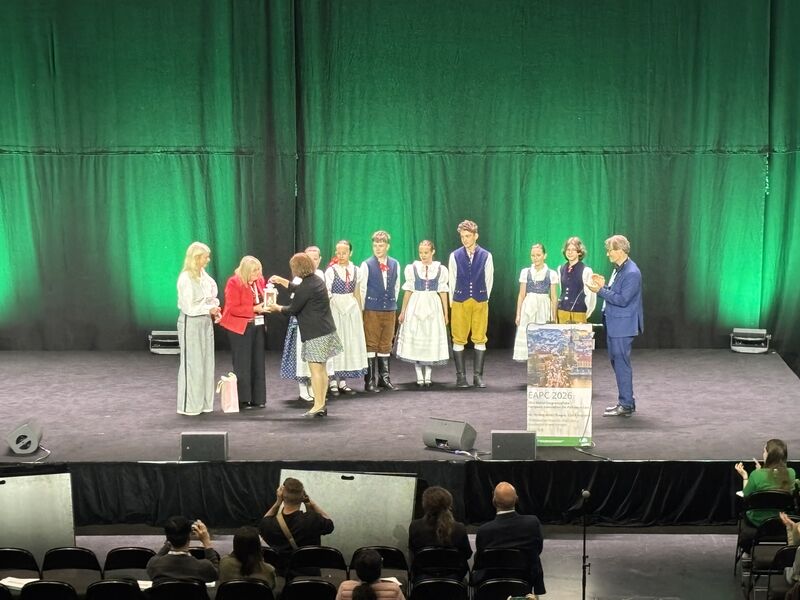
I am naturally curious to think what Franz will make of Glasgow 2027 but one thing’s for sure: we will need another Charter.
Děkuju and thank you to all the organisers who made Prague happen, I look forward to the next World congress!