Spinal Muscular Atrophy (SMA) is a rare genetic condition that causes progressive muscle weakness and atrophy. The prognosis varies depending on the type; the most common form of SMA is Type I which typically presents with symptoms before six months of age [1]. Historically the prognosis has been extremely poor, with fewer than one in ten children with SMA Type I surviving to 20 months without mechanical ventilation. However, newly available treatment has drastically improved the survival rate for these children, and currently 73% of UK children with SMA Type I are over the age of two years [2].
Presently the NHS newborn blood spot (NBS) screening programme tests for 10 serious conditions, including cystic fibrosis and sickle cell disease, however SMA is not included on this list [3]. Previously the exclusion of SMA from the screening programme was appropriate, as there were minimal treatment options and earlier diagnosis made little to no difference in the quality of life and life expectancy for these children. However, recent medication advances now available on the NHS (nusinersen (Spinraza®), Zolgensma®, and risdiplam), have significantly improved outcomes for children with SMA and provided much needed hope for patients and their families [2]. The evidence supports that these medications have the greatest impact with early intervention, meaning that earlier diagnosis can now impact a patient’s prognosis, making an increased case for the inclusion of SMA in the NBS screening programme [4].
In addition to improving outcomes for these patients, earlier intervention eases the financial burden on the NHS; patients with severe types of SMA require significant resources to survive, including respiratory ventilation and the support of multi-disciplinary teams. While cost estimates are scarce due to how rare SMA is, one study found the mean cost of care for SMA Type I patients to be over $2.3 million USD, or the equivalent of over £1.7 million GBP. Additionally, direct medical costs were found to be less for those who received earlier treatment [4]. Newborn screening would allow for earlier intervention and the subsequent improvement in symptoms for these patients would ease the lifetime financial burden on the NHS in addition to improving their prognosis.
While the new medications have been available on the NHS for several years, there has been a resurgence of public attention to the issue after British singer Jesy Nelson recently announced that her twin daughters had been diagnosed with SMA [5]. This raised awareness in the public space creates an opportunity to discuss the necessity of adding SMA to the NHS NBS screening programme, and the benefits that it can provide to future generations who would have previously had little to no hope with a SMA diagnosis. Ms Nelson shared that it took several months for her daughters to receive their diagnosis, months in which they could have been receiving treatment had SMA been included in their newborn screening.
The UK is lagging behind on this issue; many other countries have already implemented SMA into their newborn screening programmes, including the United States, Canada, Australia, and New Zealand [6-9]. It is estimated that 1 in 40 people in the UK carry an altered gene associated with SMA, and approximately 85 babies with SMA are born in the UK each year [10]. Annually, that is 85 families who can be spared the stress and uncertainty of searching for a diagnosis and 85 babies whose lives can be improved with earlier intervention. It’s time for the UK to join other leading nations in updating the NHS NBS screening programme with the addition of SMA.
References
- National Institute of Neurological Disorders and Stroke. Spinal Muscular Atrophy | National Institute of Neurological Disorders and Stroke [Internet]. www.ninds.nih.gov. 2023. Available from: https://www.ninds.nih.gov/health-information/disorders/spinal-muscular-atrophy
- New NHS treatments helping extend survival for babies with rare muscle-wasting disease [Internet]. www.england.nhs.uk. 2023. Available from: https://www.england.nhs.uk/2023/08/new-nhs-treatments-helping-extend-survival-for-babies-with-rare-muscle-wasting-disease/
- Newborn blood spot screening: programme overview [Internet]. GOV.UK. Available from: https://www.gov.uk/guidance/newborn-blood-spot-screening-programme-overview#conditions-screened-for
- Chan SHS, Wong CKH, Wu T, Wong W, Yu MKL, Au ICH, et al. Significant healthcare burden and life cost of spinal muscular atrophy: real-world data. The European Journal of Health Economics. 2022 Nov 20;24.
- Noor Nanji. Jesy Nelson: Former Little Mix star told twin baby daughters may never walk. BBC News [Internet]. 2026 Jan 4; Available from: https://www.bbc.co.uk/news/articles/cql4rwee5p3o
- 100% of States Now Screening Newborns for SMA – Cure SMA [Internet]. https://www.curesma.org/. Available from: https://www.curesma.org/100-of-states-now-screening-newborns-for-sma/
- Healey J. 100% of Canada is now screening infants for spinal muscular atrophy (SMA) – Muscular Dystrophy Canada [Internet]. Muscular Dystrophy Canada. 2024 [cited 2026 Jan 6]. Available from: https://muscle.ca/news/100-of-canada-is-now-screening-infants-for-spinal-muscular-atrophy-sma/
- Health. What is screened in the program [Internet]. Australian Government Department of Health and Aged Care. 2025. Available from: https://www.health.gov.au/our-work/newborn-bloodspot-screening/what-is-screened?language=en
- Newborn screening for spinal muscular atrophy to begin next week – Health New Zealand | Te Whatu Ora [Internet]. Govt.nz. 2019 [cited 2026 Jan 6]. Available from: https://www.tewhatuora.govt.nz/news-and-updates/newborn-screening-for-spinal-muscular-atrophy-to-begin-next-week
- Spinal Muscular Atrophy (SMA) – A Brief Summary – SMAUK [Internet]. Smauk.org.uk. 2023. Available from: https://smauk.org.uk/support-information/about-sma/spinal-muscular-atrophy-sma-a-brief-summary/
Author
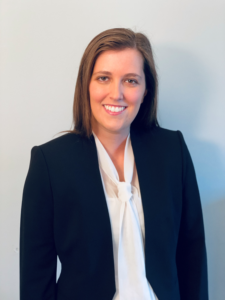
Kelly Silnes
Kelly is a final year medical student at the University of Buckingham based in Milton Keynes University Hospital NHS Foundation Trust. She is a former researcher, and her areas of interest include neurosurgery, neurology, and paediatrics.
Declaration of Interests
Competing interests: None
AI Use: No AI was used to write this opinion piece.