Dr Elin Harding, Dr Alice Crabtree, Dr Caitlin Cahill, Dr Stephanie Sivell and Professor Nikki Pease
(Velindre University NHS Trust, Cardiff University and Marie Curie Research Centre)
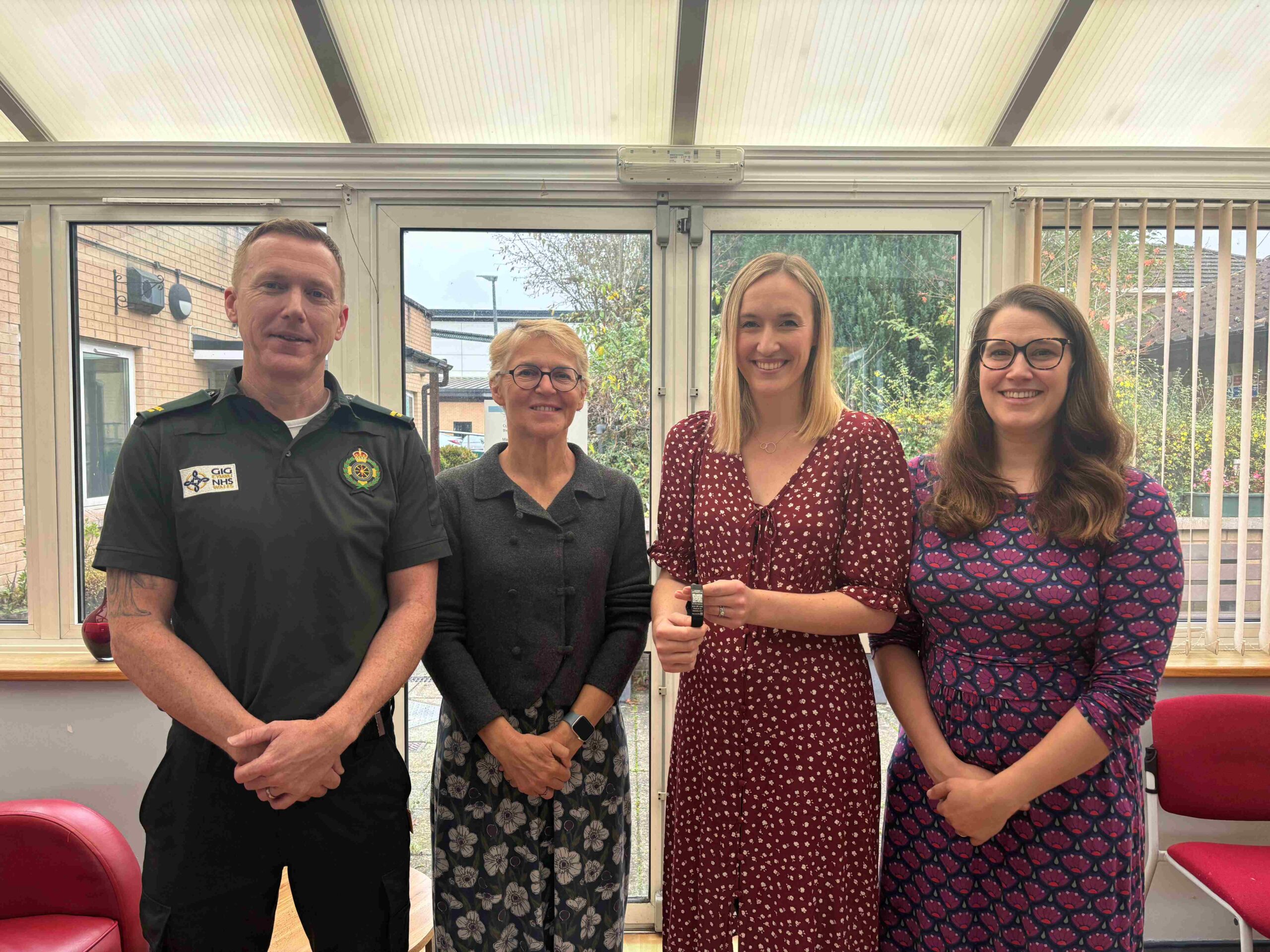
Image 1: QR-Code Cymru Team – Left-Right Mr Ed O’Brian (WAST EOL lead, Professor Nikki Pease, Dr Elin Harding, Dr Alice Crabtree
Background:
It is well documented that patients in the last year of life will interact with, and be transferred between, several care settings requiring input from primary, secondary and unscheduled care via 999 emergency services (1). However, a significant ‘information gap’ exists between services (1). Annually, up to 9% of Welsh Ambulance Service Trust (WAST) emergency calls involve palliative patients (2). Often paramedics or out of hours (OOH) GPs make decisions regarding patient care and place of care with limited information. Comprehensive care plans – including patient preferences, statements of wishes, and DNACPR documentation – are often not readily available to oncology or palliative care teams to support clinical decision-making.
Over the past 3 years, in partnership with WAST, Cardiff and Vale University Health board Supportive Care Team, and more recently the Velindre Patient and Carer Partnership Board, we have developed an innovative and reliable way to get the right information, to the right healthcare professional, to make the right decision.
We have successfully piloted a patient worn, QR-code wristband which holds critical information to inform decision making (3). Each stage of the QR-code Cymru project has been published (3, 4, 5). We now present outcomes 6-months on from enrolling patients onto the feasibility study.
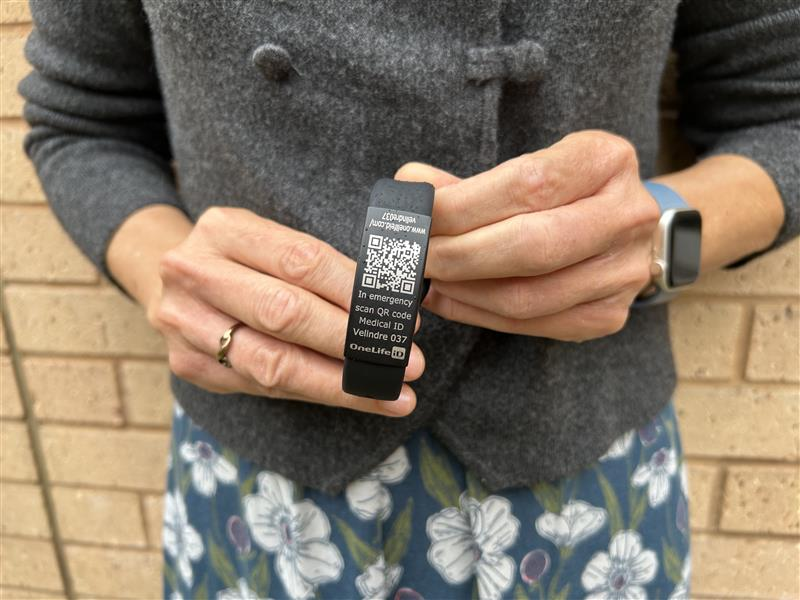
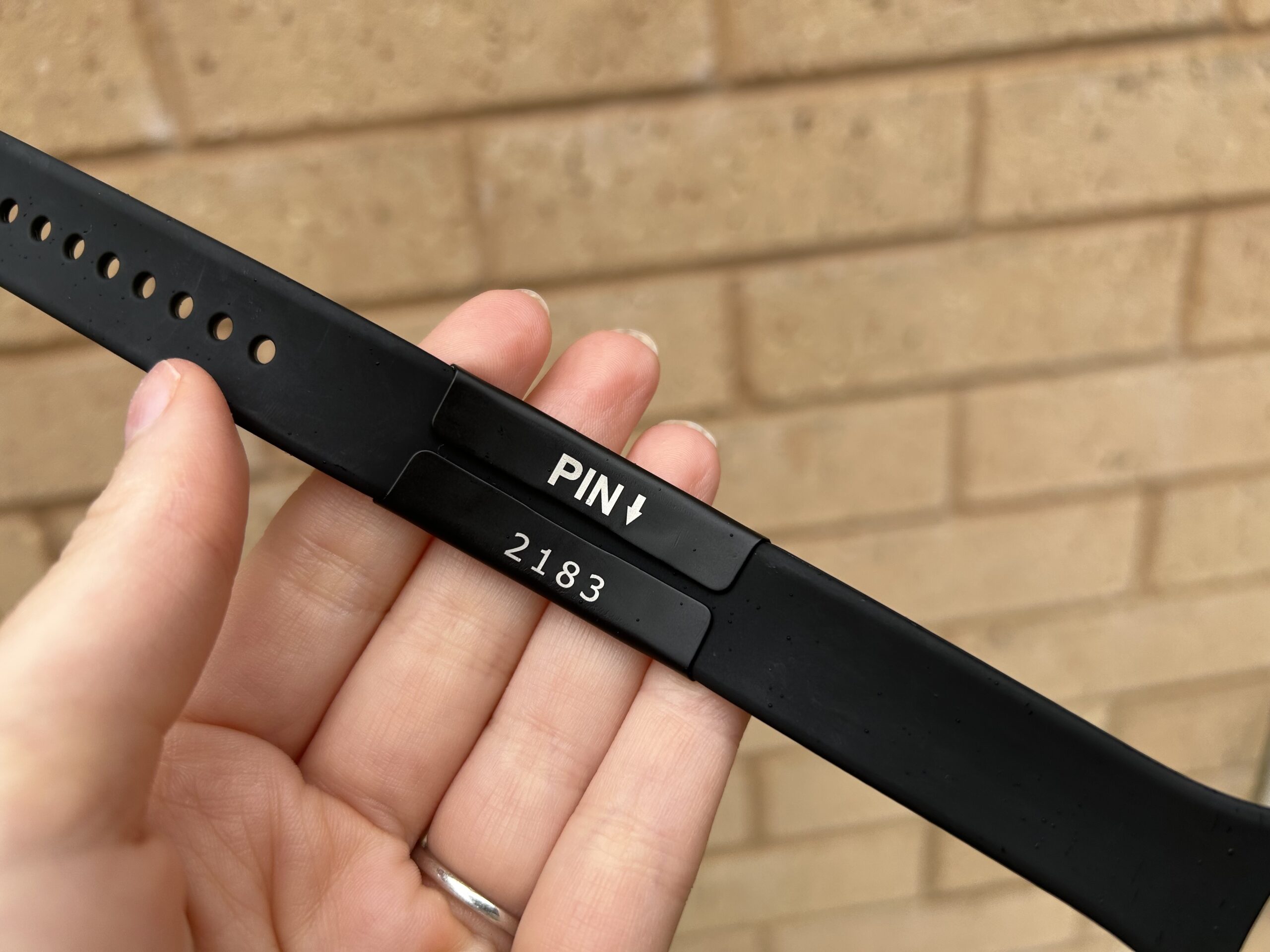
Image 2: Picture of example wristband linked to ‘test’ patient website. Feel free to scan this and enter the pin number in image 3 – test patient site with no confidential information.
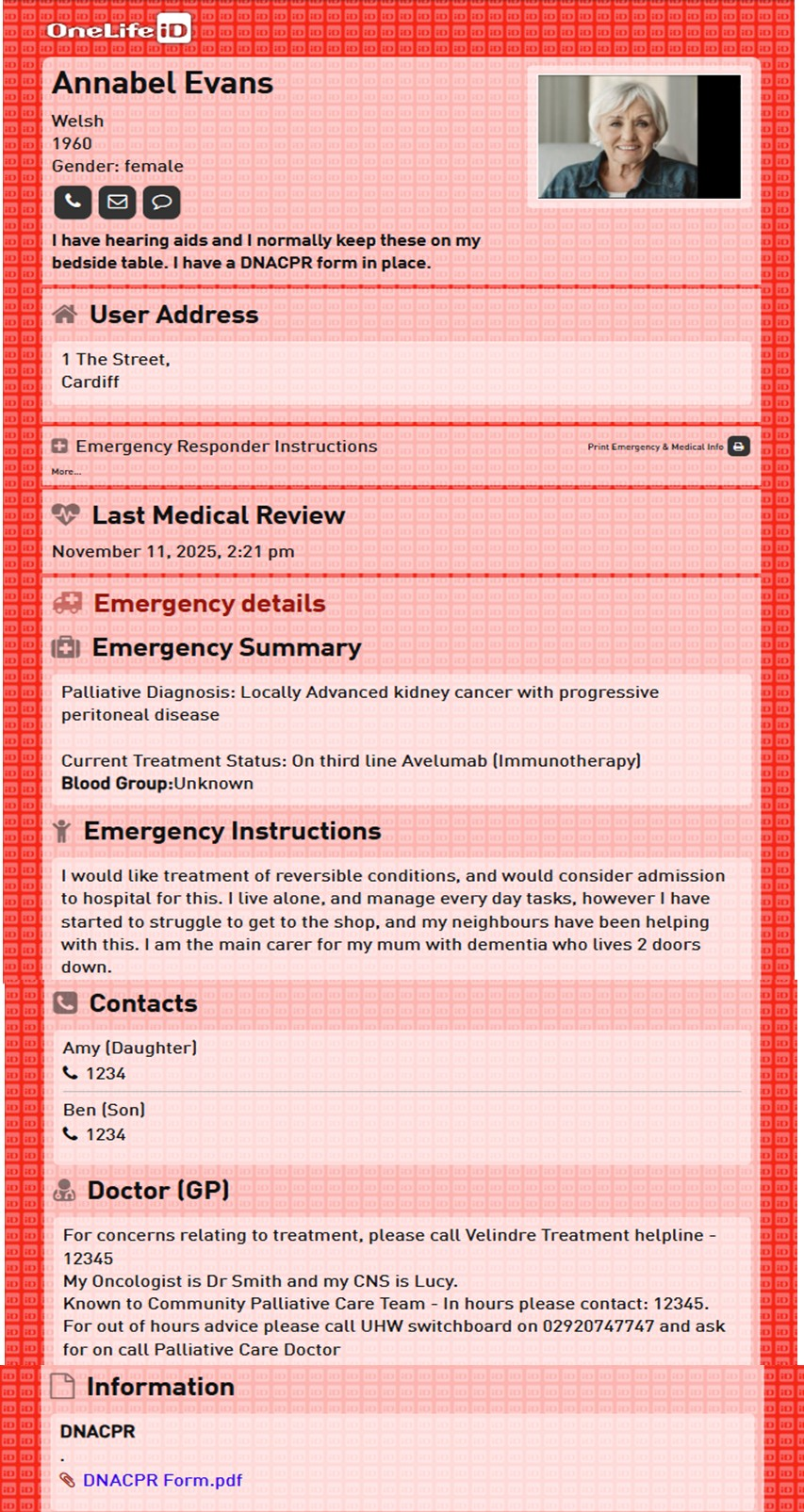
Image 4: (below) Screenshot of example ‘test’ patient website.
 Method:
Patients enrolled within the feasibility study were telephoned by the project team (3). The purpose of the follow-up calls were to check patient satisfaction with the information held on the QR-code platform and make any necessary updates (e.g. changes to emergency contact or clinical information). Furthermore, this also provided the opportunity to identify patients who were not wearing the wristband, allowing them to remove their information, deactivate the website platform and return the wristband, if they wished.
Results:
Of the 28 patients enrolled in the feasibility study (3), 61% (n=17) had died by the 6-month review point, with a median survival of 81 days (range 10-246).
Of the remaining 11 patients with ‘active’ wristbands:
- 73% (n=8) continued to wear the wristband ‘full-time’, defined as equivalent to wearing a watch;
- 9% (n=1) were using the wristband but not ‘full-time’;
- 18% (n=2) were no longer using the wristband at all.
Qualitative feedback suggests the QR-code wristband has a positive impact on quality of life (QoL):
“I have a lot of confidence in it. It has been scanned a few times, and this (wristband) means I don’t have to remember everything about my health” – participant 4.
“Makes me feel easier in myself as I know I have a lot wrong with me and if I am unwell outside and they need to call an ambulance then this is going to help them understand and know what is what” – participant 5.
Six patients wanted to update something about their wristband including the type of anti-cancer treatment they were receiving (n=2), disease progression (n=1), demographic details (n=1), regular medications (n=1) and DNACPR (n=1).
Two patients described offering their wristband to healthcare professionals (HCPs) with it not being scanned due to lack of knowledge about the system:
“It wasn’t useful for them [the HCP] as they couldn’t access it” – participant 3.
The reasons given for not wearing the wristband were due to the perceived usefulness and physical fit (18%; n=2). One stopped wearing it after 5-months as they felt it was not particularly useful to them and had not been scanned to access information. The other participant lost a large amount of weight such that the wristband no longer fitted and became uncomfortable.
Conclusions:
The results from this review are encouraging. The majority of patients described feeling more supported and reassured knowing that their essential information was more readily accessible in an emergency. Those who used the wristband felt a particularly marked psychological benefit, feeling more reassured that they would not have to remember complex medical information in an emergency.
A key limitation identified was that some HCPs were unaware of the QR-code system and therefore did not scan the wristband, reducing opportunities for information sharing. This highlights the ongoing need for education across all care settings. In response, we have expanded our education programme to include OOH GPs, emergency departments and paramedics, and developed both physical and electronic information materials for patients and HCPs, supported by a website with an informative video resource (https://velindre.nhs.wales/qrcodecymru).
To help embed the initiative more widely, enrolment letters are now uploaded to the electronic patient record to both formalise the process and provide reassurance to those HCPs who may encounter the wristband for the first time. We have also updated our patient information leaflet to encourage patient empowerment and to help them advocate for the system when engaging with HCPs. Together, these developments aim to reduce situations in which the wristband is used but not scanned.
Although the QR-code platform can track when wristbands are scanned – and therefore the potential to provide insights into clinical impact – the current number of active users is too small to draw meaningful conclusions. Further evaluation in larger patient groups is needed to determine which populations benefit most and how the system can be optimised and potentially imbedded at scale.
Next steps:
1. Supportive Care
The QR-code Cymru team are working in partnership with the Supportive Care team for patients with end-organ-failure in Cardiff and Vale health board to explore the feasibility and acceptability of QR-code wristbands within this patient population.
2. Oncology
The QR-code Cymru team are collaborating with oncology colleagues to offer wristbands to patients receiving palliative and non-curative treatments in outpatient settings, with particular interest in those on novel systemic therapies such as immunotherapy, where side-effects can be complex and treatments time-critical.
3. Paediatric Palliative Care
In partnership with paediatric palliative care colleagues, we are exploring how this system may support children with life-limiting conditions and their families.
Summary:
- QR wristbands can be used to aid information sharing between healthcare professionals to help get the right information to the right healthcare professional at the right.
- QR wristbands may offer psychological benefit to some patients
- Further work is needed to understand the full impact on both patients and healthcare professionals.
References
- Attitudes and perceptions of paramedics about end-of-life care: a literature review. Pentaris, Panagiotis and Mehmet. pp206-215, s.l. : Journal of Paramedic Practi
- O’Brian E, Chohan A and Pease N. Service evaluation of end-of-life care pathways in the Welsh Ambulance Service. 2022, Sail databank – Reference 1431.
- Cahill, C., Harding, E., Crabtree, A., Sivell, S. and Pease, N.J. (2025). QR-code wristbands for critical information: palliative oncology feasibility study. BMJ Supportive & Palliative Care, p.spcare-2025-005920. doi:https://doi.org/10.1136/spcare-2025-005920.
- Harding, E., Thomas, M. and Pease, N. (2023). Quick Response Palliative Care: Are wearable medical identification wristbands with QR code technology acceptable to palliative care patients? – BMJ Supportive & Palliative Care. [online] blogs.bmj.com. Available at: https://blogs.bmj.com/spcare/2023/11/01/quick-response-palliative-care-are-wearable-medical-identification-with-qr-code-technology-acceptable-to-palliative-care-patients-by-e-harding-m-thomas-and-n-pease/.
- Cahill, C., Sivell, S. and Pease, N. (2025). Could QR-Based Information Sharing Platforms Be Acceptable to Specialist Nurses for Palliative Care Patients? – BMJ Supportive & Palliative Care. [online] Bmj.com. Available at: https://blogs.bmj.com/spcare/2025/01/13/could-qr-based-information-sharing-platforms-be-acceptable-to-specialist-nurses-for-palliative-care-patients/.
Declaration of Interests
I have read and understood the BMJ Group policy on declaration of interests and declare no competing interests.